
Making New Construction Feel Soulful
Layers that turn a new build into a home
This post contains affiliate links. If you buy something through one, I may earn a small commission — at no extra cost to you. I only share things I genuinely use and love.
We moved in on a Friday, and by the next Wednesday the house was beautiful — every light fixture the right finish, every wall the right color, every piece of furniture exactly where the floor plan said it should go. The movers and all the moving boxes and packing paper were out of the house … and yet, something was wrong. The house was beautiful – but it wasn’t ours
I didn’t really know how to say that out loud without sounding ungrateful. We had been living in very tiny temporary housing while we waited for the home to be built. The cabinetry in the kitchen was exactly what I had sketched on paper. The island was the beautiful color I’d argued for. The ceilings were open and airy. And I would sit on the couch in the evenings, the light completely right, and feel like a guest.
I wasn’t dealing with a furnishing problem. I wasn’t missing the right rug or the right art or the right arrangement of throw pillows. I was dealing with a layering problem. And it took me longer than I’d like to admit to figure out that layering is something you can actually do purposefully — slowly, in the right order — and that it works.
Here is what happens when you move into new construction: everything is new at exactly the same time.
Every surface was chosen under showroom light. Every finish was selected from a swatch book. So many pieces of furniture arrived from the same warehouse within the same three-week window. The house is coordinated, and coordination is not soul.
A room develops feeling over time, the way a friendship does — through accumulated hours and small things placed with care. The rooms that feel most alive are almost always the ones where things surfaced from different places, at different times, for different reasons. The sideboard inherited from a grandfather – gosh I still wish I had my Grandpa TW’s – and the lamp found at an estate sale and the bowl bought impulsively on a trip at a market you didn’t plan to visit — these things speak to each other to build a story, and that conversation is what warmth actually sounds like.
A house where everything arrived on the same truck has nothing to say yet. The good news: you can start the conversation today, without a shopping list.
Texture That Ages
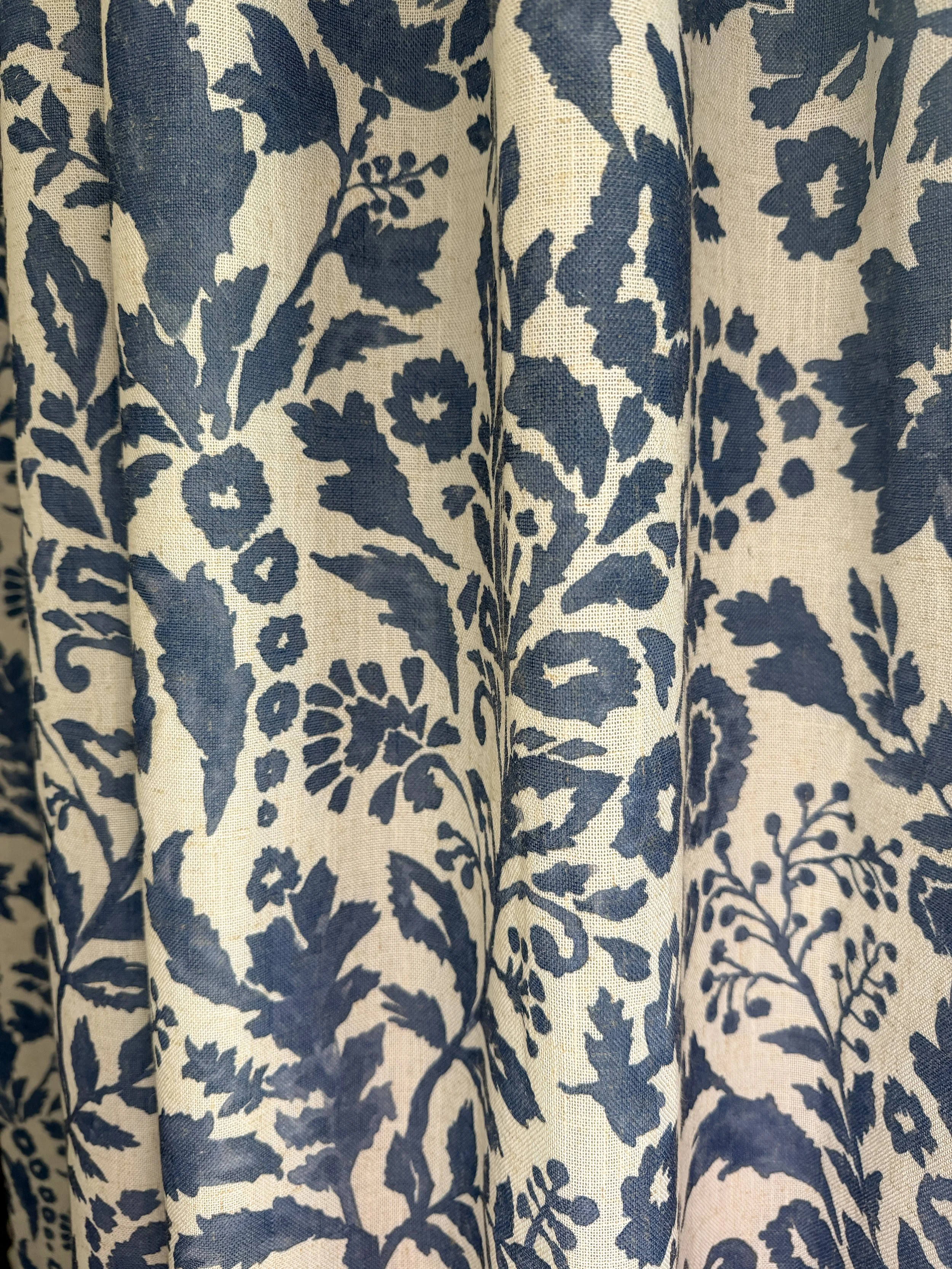
Bring in materials that change over time and improve as they do. New construction finishes are smooth, sealed, and spotless — designed to look perfect at the point of sale. But the surfaces that carry warmth are the ones that develop a patina: linen that softens with every wash, wood that deepens with use, leather that molds gently to the person who sits in it.
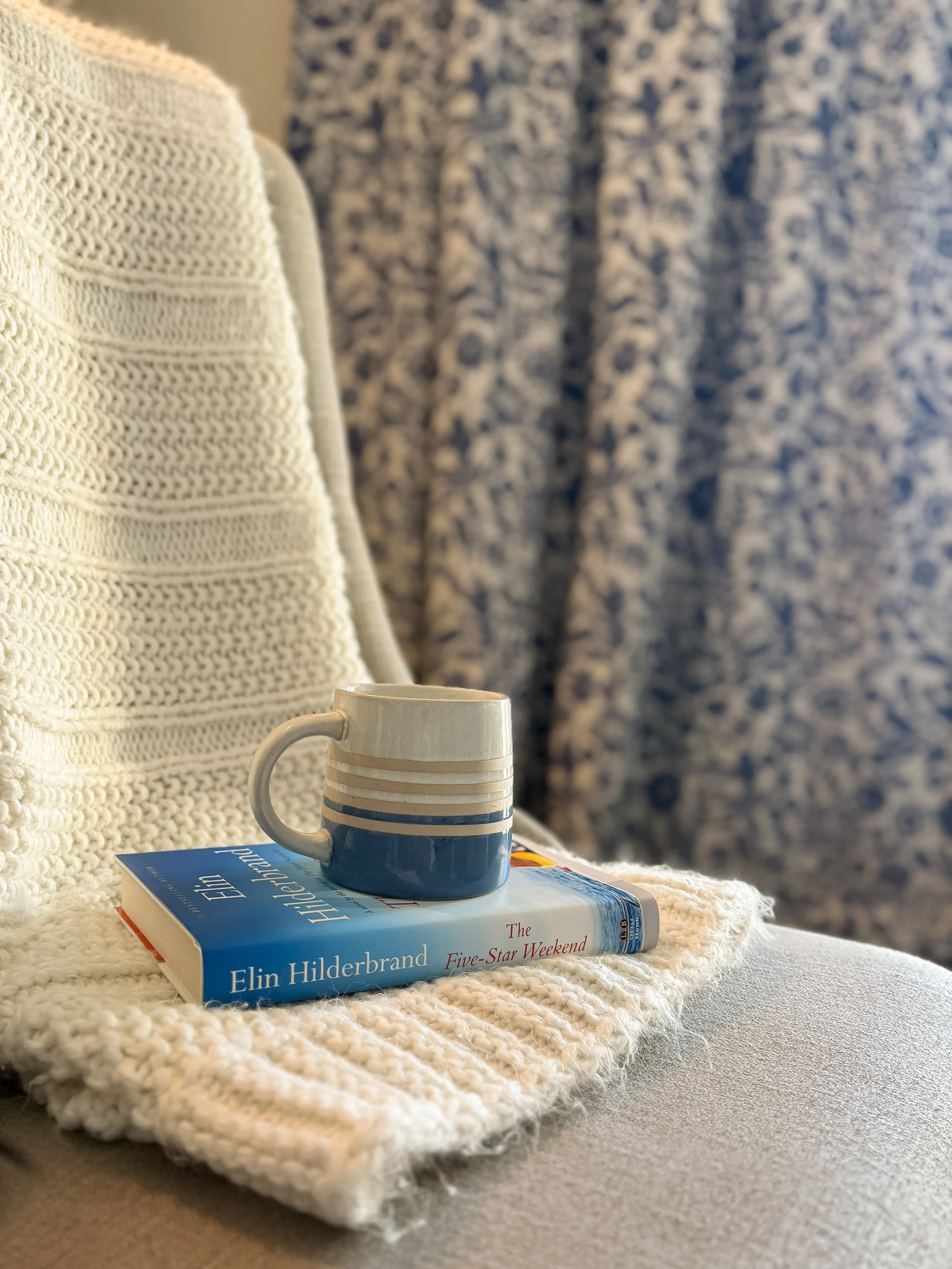
Linen is the fastest way to shift a room’s temperature. Window panels that pool slightly. A throw folded across the arm of a chair — mine has The Five-Star Weekend waiting for me, which is either aspirational or accurate depending on the week. Cloth napkins on the table, even on a Tuesday. And wood anywhere it will be touched — a cutting board on the counter, a tray on the coffee table, a bowl by the door. These surfaces aren’t static. They’re becoming something – the start of the story.
Something Earned in Every Room
Not everything in your house should arrive at the same time. This isn't about hunting antiques or needing the right inheritance — it's about breaking up the timestamp. One piece in every room that came from a different chapter than everything around it shifts the whole visual conversation in a way that's hard to explain until you see it. If you want the full practice, I wrote about it here.
Architectural Bones
Millwork is the layer most people skip entirely today — and it’s the one that does the most quiet work. Crown molding. Board and batten. Panel molding on an office wall. It sounds like a contractor conversation, not a decorating one. But architectural bones carry soul even when the styling is minimal, maybe especially then.
The rooms in older homes that feel most settled often have nothing particularly remarkable in them. They have good bones. The trim gives the eye somewhere to rest. The proportions feel unhurried. In new construction, millwork is frequently the first line item to get cut when budgets tighten. If yours was cut, it doesn’t mean you’re stuck. We had to do a lot less than we wanted because we were building during COVID when the supply chains were impacted and prices were skyrocketing. I was so sad to cut the millwork that we did, but reminded myself - you can add trim detail later, room by room, in the order that matters most. A dining room with panel molding at chair-rail height changes in a way no amount of furniture rearrangement will. The room develops structure it will carry for the rest of the house’s life.
Scent and Sound
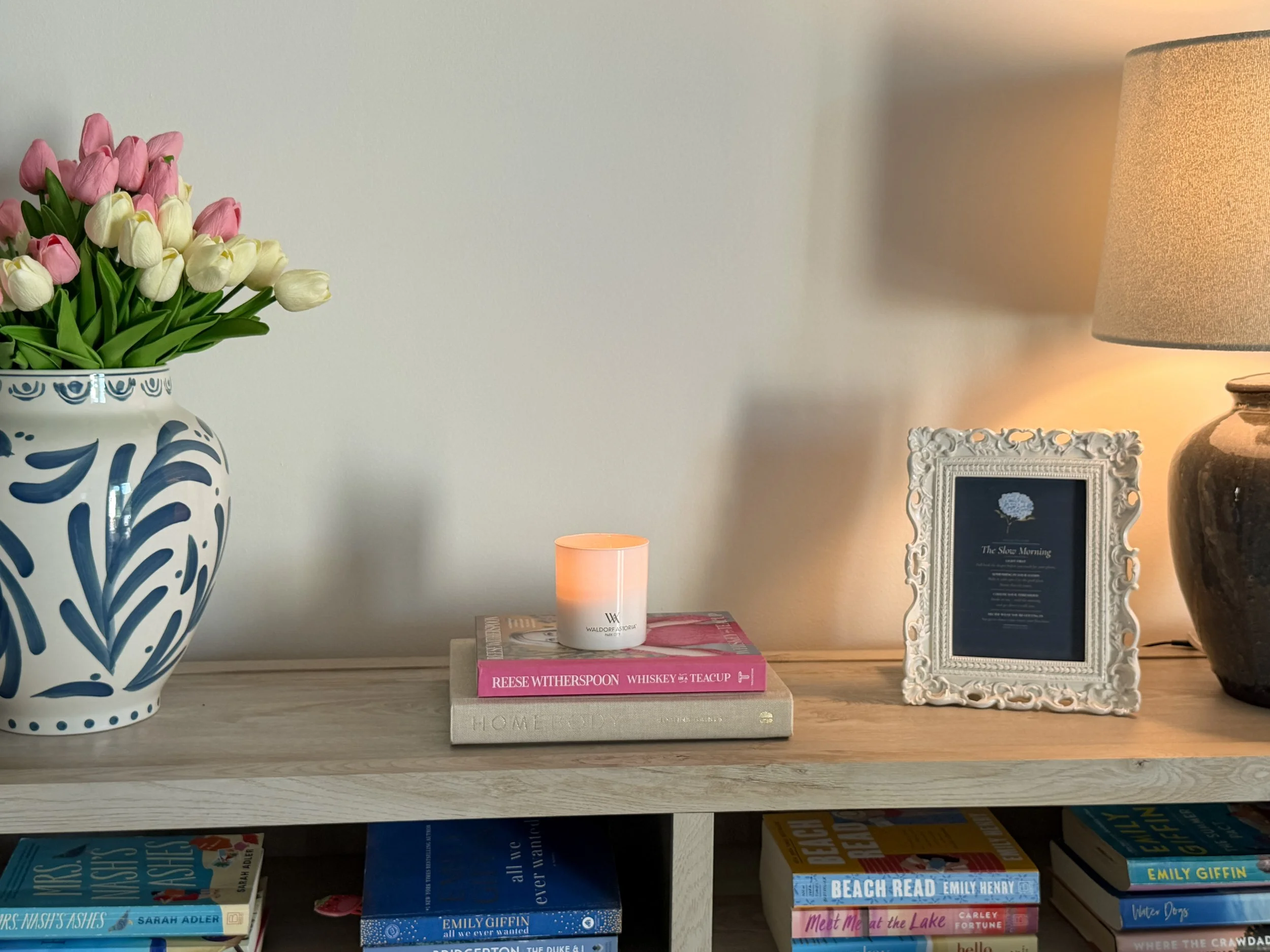
The quietest layer, and possibly the most powerful.
A candle lit by 4:00 changes the feeling of a room before anyone walks in. It signals something — that the day has shifted, that the house is in a different mode than it was at noon. The specific scent matters less than the consistency – but the fragrance will eventually become the signature to your home. If you always light the same candle at the same hour, your family’s nervous systems will begin to register it as home. That is not a small thing. Guests walk in and everything immediately feels familiar before they get past the front door.
Sound works the same way. A morning playlist to start the day (around here it’s consistently Jack Johnson). The playlist that plays in the kitchen while dinner is being made — ours is one Nancy Meyers would be proud of. Not background noise — a specific, chosen soundtrack that belongs to that hour in your house. The rooms that feel most settled are almost always the ones where something is quietly happening. Give your house a sound. Let it become familiar.
Resist the impulse to fill the house because the surfaces are new. It will work against you — I know because I fell for it.
New construction is deceptively spacious. Every wall is bare, every counter is clear, every built-in is waiting. The instinct — especially if you’re coming from a smaller or more settled home — is to fill it. Matching furniture sets. Accent walls. Seasonal decor purchased by the box. Throw pillows in this year’s colors that will feel dated by next year.
None of it works the way you hope. A matching bedroom set looks like a hotel or a furniture showroom. An accent wall covers the problem for a season, then starts to look exactly like what it is. And bulk seasonal decor is just clutter with a calendar.
Stop shopping for what the house is missing. Start noticing what the house already has — and what you already own that belongs in it. The soul of a house is not purchased in a single weekend. It’s placed, slowly, with care and acquired over time.
The house we live in now is the best version of a home I’ve ever had. Not because it’s new, and not because it’s finished — it isn’t, and it won’t be for years. But there is linen at the dining room windows that has gone soft from washing. There’s a lantern on the porch that belonged to my mother. There’s a scent that our children will probably associate with home for the rest of their lives without ever being able to name it.
Soul takes time. A house becomes a home in layers, slowly, the way a person grows into themselves — through accumulated hours and small decisions made with care.
Don’t try to finish it by Thanksgiving. Give it a year. Give it longer. The house is already becoming what it’s going to be. You just have to give it the right things to work with, and then let it settle.
